

Smart Speakers Buying Guide: What to Look For in 2026
⚡ Quick Answer
Table of Contents
Smart speakers are more than just voice assistants—they're becoming central hubs for our connected lives. From streaming music to controlling entire smart homes, choosing the right smart speaker impacts your daily enjoyment and convenience. But with so many options on the market, how do you find a model that delivers stellar sound quality, seamless connectivity, and room-appropriate size?
In this guide, I'll walk you through what features matter most, how to match a smart speaker to your space and listening needs, and what to expect at different price points. Whether you're a casual listener or an audiophile wanting surprisingly good sound from a smart device, there’s a perfect match for you in 2026.
Our Top Picks in Detail
Affiliate disclosure: if you buy through these links, we may earn a commission at no extra cost to you.
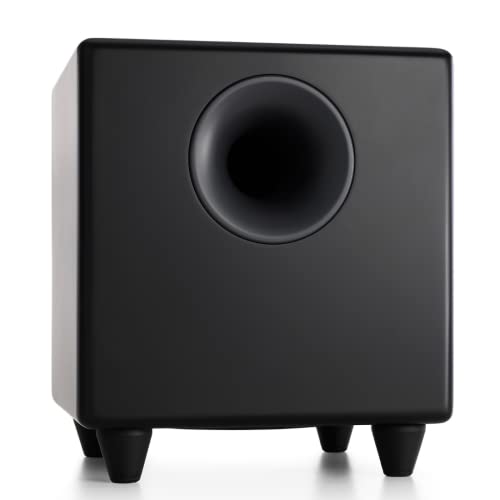
Audioengine S8 Powered Subwoofer - 8 Inch Subwoofer, 250W Down Firing Speakers for PC, Home Theaters, Movie Lovers & Studios, Wireless Ready with Sleep Mode
$349.0Check Price →This is the pick to look at first if you want a reliable, well-rounded option that handles everyday use without unnecessary compromises. Audioengine S8 Powered Subwoofer - 8 Inch Subwoofer, 250W Down Firing Speakers for PC, Home Theaters, Movie Lovers & Studios, Wireless Ready with Sleep Mode delivers solid performance across the features that matter most in this category.

Google Home Mini Smart Speaker (Charcoal Grey)
$52.5Check Price →If the top pick doesn't quite fit your situation, Google Home Mini Smart Speaker (Charcoal Grey) is worth a close look as a capable alternative that still covers the essentials well.

SAMSUNG SWA-W510 Subwoofer for S Series Soundbar with Powerful Bass, Wireless, Unibody Design, Compact 6.5" Size, 2022, Black
$291.99Check Price →For buyers who want the most for their money without sacrificing the features that actually matter, SAMSUNG SWA-W510 Subwoofer for S Series Soundbar with Powerful Bass, Wireless, Unibody Design, Compact 6.5" Size, 2022, Black is the practical choice at this price point.
Why Sound Quality Matters in Smart Speakers
While smart speakers are primarily known for voice interaction and connectivity, sound quality is the backbone of a satisfying experience. A speaker with deep, punchy bass transforms music and movies; clear dialogue ensures you catch every word, especially during conversations or film scenes; and an expansive soundstage can fill a room, creating a more immersive experience. Don't settle for tinny, muffled sound just because it's "smart."
Premium models use better drivers, DSP (digital signal processing), and enclosure design to deliver richer, more balanced sound. Even at lower price points, you can find models that punch above their weight—if you know what to look for.
Connectivity and Smart Ecosystem Compatibility
Next, consider how your smart speaker fits into your digital ecosystem. Most models connect via Wi-Fi, Bluetooth, or both. Wi-Fi-enabled speakers typically allow higher fidelity streams and multi-room setups. Bluetooth is handy for quick pairing with your phone but usually limits sound quality and lacks multi-room features.
Compatibility with voice assistants like Amazon Alexa, Google Assistant, or Apple’s Siri (via HomePod) is crucial. Pick a smart speaker that works seamlessly with your preferred ecosystem to ensure smooth voice control, routines, and smart device integration.
Matching Smart Speakers to Your Room Size
Size and speaker design matter! Small rooms or desktops benefit from compact, bedside, or tabletop models that fill the space without overwhelming it. Larger living rooms or open-concept areas require bigger, more capable speakers—like smart soundbars or larger standalone models—with better drivers and more acoustic output.
If you want room-filling sound, look for speakers with room-adaptive features or multi-driver arrays. Some high-end models even use beamforming or spatial audio tech to create a broader, more enveloping soundstage.
Price Tiers and What They Offer
Smart speakers come in a range of prices—from budget-friendly entry-level models under $100 to premium devices costing $300 or more. Entry-level options typically offer decent voice recognition and basic sound quality, suitable for casual listening or controlling smart devices. However, their audio performance might lack depth or clarity.
Mid-tier models (around $150-$250) generally strike a good balance, delivering improved sound fidelity, richer bass, and better speech clarity—ideal for everyday use. Premium speakers at $250+ often feature high-quality drivers, premium materials, advanced audio processing, and more extensive smart features—making them suitable for audiophiles or those who want a true all-in-one entertainment hub.
Key Features to Consider in 2026
Beyond basic pairing and voice assistance, the top smart speakers now offer features like spatial audio, multi-room synchronization, adaptive sound tuning, and advanced noise cancellation. Look for models with multiple drivers and dedicated tweeters for clearer dialogue and richer sound. Autonomous room calibration features can optimize audio for your space—great if your furniture arrangement constantly changes.
Connectivity options like Apple AirPlay 2, Chromecast, or Bluetooth 5.0+ matter if you want flexibility in streaming sources. Plus, consider smart home integrations—can the speaker control your smart lights, thermostats, or security systems? The more versatile, the better.
Frequently Asked Questions
Can I get audiophile-quality sound from a smart speaker?
While smart speakers excel in convenience and smart features, they typically can't match dedicated high-end speakers. However, premium models with multi-driver arrays and spatial audio do deliver surprisingly rich sound, suitable for enjoyable music listening alongside their smart capabilities.
Are cheaper smart speakers worth buying?
Yes, if your main goal is voice control and basic music playback. Just manage expectations: lower-tier models might lack deep bass or expansive soundstages, making them less ideal for critical listening but perfect for casual use and smart home control.
How important is voice assistant compatibility?
Very important. Ensure the smart speaker supports your preferred voice ecosystem—Amazon Alexa, Google Assistant, or Apple Siri—so you can maximize its features and integrate it smoothly into your existing smart home setup.
Can I use multiple smart speakers together?
Absolutely! Most ecosystems support multi-room audio, allowing you to synchronize music across several speakers or create a surround sound environment for your home entertainment.
What about privacy and security?
Choose brands with robust privacy policies and regular firmware updates. Disable microphones when not in use, and review app permissions periodically to keep your data safe.
Are smart speakers good for music streaming?
They can be! Higher-end models support high-resolution streaming services and provide better sound fidelity, but ensure your network supports these features for optimal playback quality.
Conclusion
In 2026, smart speakers are more capable than ever—not just voice assistants, but also surprisingly good audio devices. By considering your room size, preferred ecosystem, budget, and desired features, you can find a model that elevates your daily experience. Remember, the best smart speaker is the one that fits your space and lifestyle, providing both great sound and seamless smart home integration.
Start by identifying your primary use—music, smart home control, or podcasts—and match that with a suitable price tier. Dive into reviews and, if possible, audition a few in-store or through demos online. Happy listening and smart living!


