

How to Choose the Right Smart Speakers
Navigating the world of smart speakers can be overwhelming with so many options available. This guide breaks down the essential factors you need to consider before making your purchase.
Affiliate disclosure: tvsoundguide may earn a commission when you buy through qualifying links on this page.
Smart speakers have evolved from simple voice assistants into central hubs for home entertainment and automation. Whether you are looking to enhance your music listening experience, control smart devices, or add depth to your home theater setup, choosing the right device requires careful consideration. The market is flooded with choices ranging from compact portable units to powerful multi-room systems. Understanding your specific needs regarding sound quality, ecosystem compatibility, and room size is crucial. Many buyers make the mistake of focusing solely on price or brand recognition without evaluating how well a speaker integrates with their existing technology. This article will walk you through the key criteria for selecting a smart speaker that fits your lifestyle and audio preferences. We will explore connectivity options, voice assistant capabilities, and practical setup tips to ensure you get the most out of your investment. By the end, you will have a clear roadmap for making a confident choice.
Table of Contents
Our Top Picks
Affiliate disclosure: if you buy through these links, we may earn a commission at no extra cost to you.

Bottom Line First
To choose the right smart speaker, start by identifying your primary use case, such as music streaming, smart home control, or audio enhancement. Check compatibility with your existing devices and preferred voice assistant ecosystem. Consider the room size to determine the necessary power and sound dispersion. Evaluate connectivity options like Wi-Fi, Bluetooth, and multi-room support. Finally, read reviews for sound quality and reliability before purchasing. Also, think about future expansion if you plan to add more speakers later.
Product Reviews
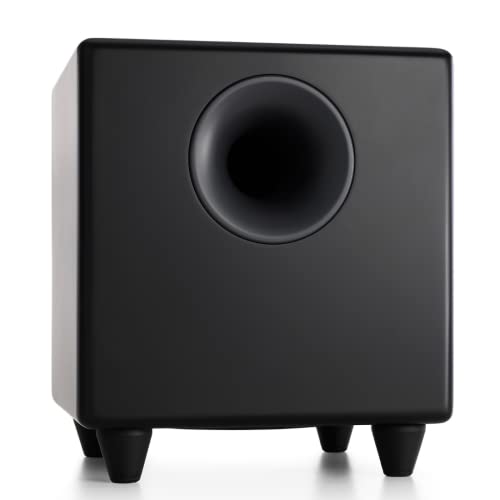
Audioengine S8 Powered Subwoofer - 8 Inch Subwoofer, 250W Down Firing Speakers for PC, Home Theaters, Movie Lovers & Studios, Wireless Ready with Sleep Mode
Best for: Enhancing bass response in home theaters and studios.
The Audioengine S8 delivers robust low-frequency performance with its 250-watt down-firing driver, making it an excellent choice for adding depth to your audio setup. Its compact unibody design allows for flexible placement without compromising on power. The wireless connectivity option simplifies installation by reducing cable clutter, which is particularly useful in home theater environments. Additionally, the built-in sleep mode helps conserve energy when the system is not in use. This subwoofer is designed to integrate seamlessly with various audio sources, providing a balanced sound profile that enhances movies and music alike. Its build quality ensures durability and consistent performance over time.
Watch out: Ensure your existing speakers can handle the added bass output without distortion.
View on Amazon
SAMSUNG SWA-W510 Subwoofer for S Series Soundbar with Powerful Bass, Wireless, Unibody Design, Compact 6.5" Size, 2022, Black
Best for: Samsung soundbar owners seeking seamless integration.
Designed specifically for Samsung S Series soundbars, this subwoofer ensures perfect compatibility and optimized audio performance. Its wireless connection eliminates the need for extra cables, making setup straightforward and tidy. The compact 6.5-inch size allows it to fit discreetly in various living spaces while still delivering powerful bass. The unibody design not only adds to its aesthetic appeal but also contributes to structural integrity. This subwoofer enhances the overall sound experience by providing rich low-end frequencies that complement the soundbar's output. It is an ideal upgrade for those looking to improve their home theater audio without compromising on style or convenience.
Watch out: Only compatible with specific Samsung S Series soundbars; check model requirements before purchasing.
View on Amazon
ULTIMEA 5.1CH Surround Sound Bar with Subwoofer, Dolby Atmos, VoiceMX, BassMX, APP, 300W Soundbar for Smart TV, Home Theater Surround Sound System for TV, BT 5.4, Poseidon M60 (2025 Model)
Best for: Creating an immersive home theater experience.
The ULTIMEA 5.1CH system offers a comprehensive audio solution with Dolby Atmos support, delivering spatial sound that enhances movies and games. Its 300-watt power output ensures clear and dynamic audio across all frequencies. The inclusion of VoiceMX and BassMX technologies allows for customizable sound profiles tailored to your preferences. Bluetooth 5.4 connectivity provides stable wireless streaming from various devices. The accompanying app offers additional control options, making it easy to adjust settings on the fly. This system is designed to transform any living room into a cinematic environment with its surround sound capabilities and versatile connectivity options.
Watch out: Verify TV compatibility for optimal setup and ensure sufficient space for all components.
View on AmazonBuying Guide
Assess Your Room Size and Acoustics
The dimensions of your room play a significant role in determining the type of smart speaker you need. Larger spaces require speakers with more power and better sound dispersion to fill the area evenly. In smaller rooms, compact speakers may suffice without overwhelming the space. Consider the placement of furniture and walls that might block sound waves. Hard surfaces can cause reflections, while soft furnishings help absorb excess noise. Understanding your room's acoustics will help you select a speaker that delivers clear and balanced audio without distortion.
Check Ecosystem Compatibility
Smart speakers often integrate with specific voice assistants like Alexa, Google Assistant, or Siri. Ensure the device you choose is compatible with your existing smart home ecosystem. If you already use a particular assistant for controlling lights or thermostats, sticking with that brand can simplify management. Additionally, check if the speaker supports multi-room audio if you plan to expand your system later. Compatibility extends to music streaming services as well; verify that your preferred platforms are supported natively to avoid connectivity issues.
Evaluate Connectivity Options
Connectivity is a crucial factor when selecting a smart speaker. Most modern speakers offer Wi-Fi and Bluetooth options, but the range and stability can vary. Wi-Fi is generally preferred for high-quality streaming and multi-room setups, while Bluetooth is useful for portable use. Some speakers also include auxiliary inputs or optical connections for wired setups. Consider whether you need support for specific audio codecs to ensure optimal sound quality. Also, check if the speaker supports mesh network compatibility for better coverage in larger homes.
Consider Sound Quality and Features
Sound quality is subjective but can be evaluated through specifications like frequency response and driver size. Look for speakers with balanced mids and highs, especially if you listen to diverse music genres. Features like equalizer settings allow you to customize the sound to your preference. Some models include room correction technology to adjust audio based on your environment. Additionally, consider extra features such as voice control, smart home integration, and app functionality. Reading professional reviews can provide insights into real-world performance beyond the specs.
FAQ
Can I use a smart speaker with multiple voice assistants?
Yes, many modern smart speakers support multiple voice assistants like Alexa and Google Assistant. This allows you to switch between them based on your needs or integrate devices from different ecosystems. However, some features may be limited depending on the active assistant. Check the product specifications to confirm multi-assistant support and ensure it aligns with your smart home setup.
How do I improve the sound quality of my smart speaker?
Improving sound quality can be achieved through proper placement, avoiding corners that cause bass buildup, and using equalizer settings to balance frequencies. Adding external speakers or a subwoofer can also enhance audio performance. Regular firmware updates ensure you have the latest features and improvements. Additionally, considering room acoustics by adding soft furnishings can reduce unwanted reflections and improve clarity.
Is it necessary to connect my smart speaker to Wi-Fi?
While Bluetooth connectivity allows for basic audio streaming, connecting your smart speaker to Wi-Fi unlocks full functionality. Wi-Fi enables high-quality streaming, multi-room audio support, and access to voice assistant features. It also facilitates firmware updates and integration with other smart home devices. For the best experience, a stable Wi-Fi connection is recommended over relying solely on Bluetooth.
What should I do if my smart speaker stops responding to voice commands?
First, check your internet connection and ensure the device is powered on. Restarting the speaker can often resolve temporary glitches. Verify that the microphone is not muted and that there are no obstructions blocking sound input. If the issue persists, try resetting the device to factory settings or updating its firmware. Consulting the user manual for troubleshooting steps specific to your model may also help.
Bottom Line
Choosing the right smart speaker involves balancing sound quality, connectivity, and compatibility with your existing setup. By assessing your room size, ecosystem preferences, and audio needs, you can narrow down the options to find the perfect match. Consider upgrading components like subwoofers for enhanced bass or selecting a system that supports multi-room audio for whole-home coverage. Avoid common pitfalls by verifying compatibility and reading reviews before purchasing. With careful planning and attention to detail, you can build a smart speaker system that delivers exceptional audio performance and enhances your daily life.


