

How to Set Up a 5.1 Surround Sound System for Outdoor Spring Movie Nights in 2026
⚡ Quick Answer
Nothing beats the magic of outdoor movie nights—fresh air, a starry sky, and immersive sound that pulls you right into the story. A well-setup 5.1 surround sound system makes your backyard a personal cinema, delivering deep bass, crisp dialogue, and a convincing soundstage that makes every movie night feel extraordinary. Whether you’re a seasoned audiophile or just love a good film with great sound, setting up the right gear is key to amplifying your spring evenings.
Table of Contents
Today, I’ll guide you through building a versatile, high-quality outdoor 5.1 system, highlighting gear at different budget tiers and sharing expert tips on connectivity, placement, and sound optimization—so you can enjoy movies the way they’re meant to be heard no matter your setup experience or budget.
Our Top Picks in Detail
Affiliate disclosure: if you buy through these links, we may earn a commission at no extra cost to you.

Sonos Arc Ultra Soundbar with Dolby Atmos and Voice Control - 9.1.4 Surround Sound for TV and Music - Black
$1099.0Check Price →This is the pick to look at first if you want a reliable, well-rounded option that handles everyday use without unnecessary compromises. Sonos Arc Ultra Soundbar with Dolby Atmos and Voice Control - 9.1.4 Surround Sound for TV and Music - Black delivers solid performance across the features that matter most in this category.
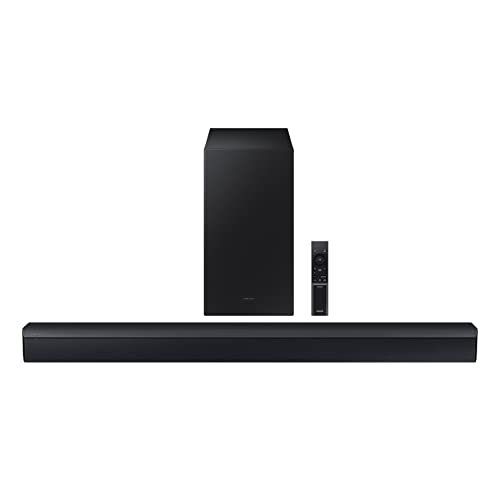
Samsung HW-C450 2.1ch Soundbar w/DTS Virtual X, Subwoofer Included, Bass Boost, Adaptive Sound Lite, Game Mode, Bluetooth, Wireless Surround Sound Compatible
$139.97Check Price →If the top pick doesn't quite fit your situation, Samsung HW-C450 2.1ch Soundbar w/DTS Virtual X, Subwoofer Included, Bass Boost, Adaptive Sound Lite, Game Mode, Bluetooth, Wireless Surround Sound Compatible is worth a close look as a capable alternative that still covers the essentials well.

Samsung B-Series Soundbar HW B400F 2.0 ch Soundbar with Built in Subwoofer (2025 Model) One Remote Control, Surround Sound Expansion, Voice Enhance Mode
$137.99Check Price →For buyers who want the most for their money without sacrificing the features that actually matter, Samsung B-Series Soundbar HW B400F 2.0 ch Soundbar with Built in Subwoofer (2025 Model) One Remote Control, Surround Sound Expansion, Voice Enhance Mode is the practical choice at this price point.
Understanding the 5.1 Surround Sound Setup
A 5.1 surround sound system comprises five speakers surrounding the listener and one subwoofer for bass. In outdoor setups, placement becomes even more crucial to create a convincing soundstage—imagine speakers as the virtual "walls" that envelop your audience. Typically, you'll have front left, front right, center, two surround speakers (left and right), and a subwoofer to handle throw-your-seat-back bass.
For outdoor setups, you'll want to simulate a home theater environment by positioning speakers around your seating area—ideally at ear level or slightly above—to maximize clarity and immersion. Pay attention to how sound travels through open spaces, which may require slightly adjusting speaker placement or choosing gear with wider dispersion for even coverage.
Selecting Your Gear
Choosing the right components depends on your budget, space, and desired sound quality. I'll break down options at different tiers to help you find what fits best:
Budget-Friendly (< $300)
You can start with a good-quality soundbar paired with wireless satellite speakers and a compact wireless subwoofer. Brands like Sony and Vizio offer affordable options with Bluetooth connectivity, making setup straightforward. For outdoor use, look for models with weather-sealing or plan to keep your gear under cover.
Mid-Range ($300–$800)
This tier opens up more immersive options—consider a dedicated AV receiver with HDMI and Bluetooth, plus bookshelf speakers or outdoor PA speakers (like those from Klipsch or Polk). Wireless subwoofers, such as the Polk Audio PSW10 or the SVS SB-1000, bring depth without cluttering space.
Premium ($800 and up)
For audiophile-grade sound, go for high-end AV receivers (Denon, Onkyo) with multiple HDMI inputs, Dolby Atmos support, and Wi-Fi streaming. Pair with weatherproof bookshelf or surround speakers designed for outdoor environments, along with a powerhouse wireless subwoofer like the SVS PB-2000 PRO or KEF KF92 for thunderous bass with pinpoint clarity.
Smart Placement Tips for Outdoor Spaces
Proper speaker placement transforms your sound from good to incredible. Front left and right speakers should be positioned roughly shoulder height and spaced about 8-12 feet apart, aimed slightly inward for stereo focus. The center channel goes directly behind your screen or projection area for crystal-clear dialogue.
Surround speakers should be placed approximately 2-3 feet behind and to the sides of your seating area, ideally at ear level or slightly above, to envelop viewers without causing sound leakage. The subwoofer should be off to one side, on the ground, and away from corners to prevent boominess—it’s all about balancing deep bass and avoiding muddy sounds.
Connecting and Calibrating Your System
Most modern AV receivers make connectivity pretty simple—HDMI, optical, and Bluetooth are standard. For outdoor settings, Bluetooth streaming offers quick setup from smartphones or tablets, while HDMI ensures better synchronization with your media source, like a streaming device or Blu-ray player.
Calibration is vital for even sound coverage. Many AV receivers come with auto-calibration microphones—use them! For outdoor environments, manually adjusting speaker delays and levels can fine-tune your soundscape, ensuring dialogue remains clear and bass is balanced without overwhelming your ears or your neighbors.
Best Practices & Final Tips
To optimize your outdoor movie nights, consider blocking reflective surfaces and minimizing ambient noise. Outdoor acoustics are less forgiving than enclosed rooms, so positioning and speaker quality really matter. During setup, walk around your space to listen critically; adjust speaker angles and levels accordingly.
Additionally, investing in good waterproof covers or enclosures for your gear during rainy seasons prevents damage and maintains sound quality. If you're using wireless speakers or subwoofers, ensure your Wi-Fi or Bluetooth signals are strong—consider a dedicated network or extenders if needed.
With a little planning and the right gear, your outdoor spring movie nights will become legendary—deep bass under the stars, crystal-clear dialogue, and a soundstage that rivals any theater.
Frequently Asked Questions
Can I use regular indoor speakers outdoors?
While possible temporarily, indoor speakers aren’t built for weather exposure and will degrade quickly. Always opt for weatherproof outdoor speakers for longevity and optimal sound quality.
What's better for outdoor use: wired or wireless speakers?
Wireless speakers offer convenience and quicker setup, especially in large or difficult spaces, but wired connections typically provide more stable, higher-quality sound. For most outdoor setups aiming for premium sound, a wired system is preferable if you can manage the setup complexity.
How loud should my outdoor system be?
Ensure the volume is sufficient to fill your space without causing discomfort or disturbing neighbors. Starting at moderate levels and adjusting outwardly based on distance and ambient noise is best practice.
Do I need a special receiver for outdoor 5.1 setups?
Not necessarily—any good AV receiver supporting 5.1 can power outdoor speakers, but ensure it has enough power output and connectivity options. Wireless or multi-zone receivers simplify outdoor integration.
Are portable Bluetooth speakers good enough for outdoor surround sound?
They can be for casual use or small gatherings, but they won’t match the depth and clarity of dedicated outdoor surround systems—if your goal is cinematic quality, invest in proper speakers and a dedicated system.
Ready to elevate your outdoor movie nights? Start by selecting the right speakers and receiver, plan your placement carefully, and enjoy the cinematic soundscape under open skies!


