

Surround Sound Systems Buying Guide: What to Look For in 2026
🏆 Top Picks at a Glance
 #1
#1
Best Overall
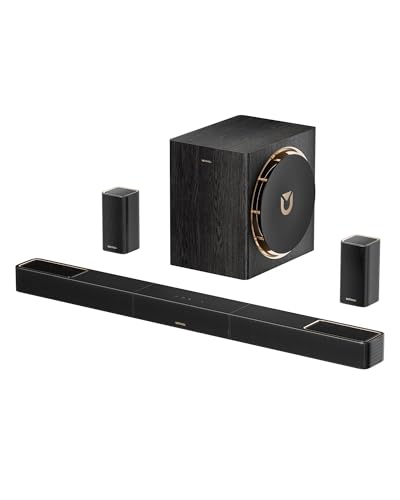
ULTIMEA Skywave X50 5.1.4ch Wireless Surround Sound System for TV, 760W Professional Sound Bar w/Dolby Atmos, 2 Wireless Surround Speakers & 8" Subwoofer, GaN Amplifier, 4K HDR Pass-Through, HDMI eARC
$499.0
Check Price → #2
#2
Runner Up
ULTIMEA 5.1.2ch Sound Bar with Dolby Atmos, Surround Sound System for TV with 2 Surround Speakers, Sound Bar for Smart TV, Soundbar for Home Theater, BT 5.4, HDMI eARC, Skywave F40 (New, 2025 Model)
$279.99
Check Price →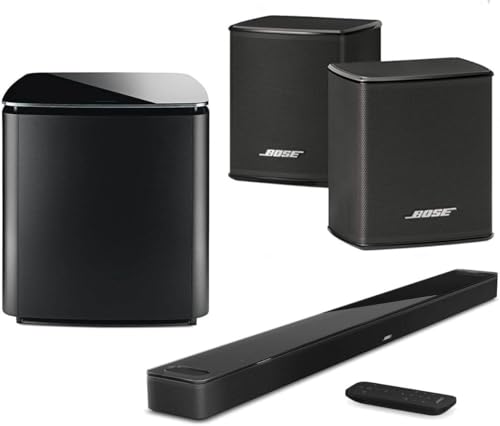 #3
#3
Best Value
Bose Home Theater System Smart Ultra Dolby Atmos Soundbar, Bass Module 700 2X Wireless Surround Speaker, Black
$1897.0
Check Price →⚡ Quick Answer
Table of Contents
When you’re ready to elevate your home entertainment, a surround sound system can transform movie nights and gaming sessions into immersive experiences. But with so many options—ranging from compact soundbars to elaborate multi-room setups—how do you choose what’s right for your space and budget? As an audiophile who's passionate about sound quality, I’m here to guide you through the essentials so you can make confident, informed decisions.
In 2026, the landscape offers exciting advancements: smarter connectivity, more flexible configurations, and audio refining tech that even on a budget can deliver impressive sound. Whether you're setting up a small apartment or a dedicated home theater, understanding key features will help you find a system that sounds great, fits your room, and makes your favorite content come alive.
Our Top Picks in Detail
Affiliate disclosure: if you buy through these links, we may earn a commission at no extra cost to you.
ULTIMEA Skywave X50 5.1.4ch Wireless Surround Sound System for TV, 760W Professional Sound Bar w/Dolby Atmos, 2 Wireless Surround Speakers & 8" Subwoofer, GaN Amplifier, 4K HDR Pass-Through, HDMI eARC
$499.0Check Price →This is the pick to look at first if you want a reliable, well-rounded option that handles everyday use without unnecessary compromises. ULTIMEA Skywave X50 5.1.4ch Wireless Surround Sound System for TV, 760W Professional Sound Bar w/Dolby Atmos, 2 Wireless Surround Speakers & 8" Subwoofer, GaN Amplifier, 4K HDR Pass-Through, HDMI eARC delivers solid performance across the features that matter most in this category.
ULTIMEA 5.1.2ch Sound Bar with Dolby Atmos, Surround Sound System for TV with 2 Surround Speakers, Sound Bar for Smart TV, Soundbar for Home Theater, BT 5.4, HDMI eARC, Skywave F40 (New, 2025 Model)
$279.99Check Price →If the top pick doesn't quite fit your situation, ULTIMEA 5.1.2ch Sound Bar with Dolby Atmos, Surround Sound System for TV with 2 Surround Speakers, Sound Bar for Smart TV, Soundbar for Home Theater, BT 5.4, HDMI eARC, Skywave F40 (New, 2025 Model) is worth a close look as a capable alternative that still covers the essentials well.
Bose Home Theater System Smart Ultra Dolby Atmos Soundbar, Bass Module 700 2X Wireless Surround Speaker, Black
$1897.0Check Price →For buyers who want the most for their money without sacrificing the features that actually matter, Bose Home Theater System Smart Ultra Dolby Atmos Soundbar, Bass Module 700 2X Wireless Surround Speaker, Black is the practical choice at this price point.
Sound Quality: Bass Depth, Dialogue Clarity & Soundstage
At the heart of any surround sound system is sound quality. For immersive theater experiences, you want deep, punchy bass that can shake your walls without distortion — this usually comes from a good subwoofer or wireless sub. Look for systems with a dedicated sub channel or wireless subwoofer options if you’re after that cinematic rumble.
Dialogue clarity is equally crucial, especially for movies and TV shows with layered soundtracks. Systems with well-implemented center channels help keep vocals crisp and easy to understand, even during action-packed scenes. Tip: Try listening to speech-heavy content in the store or read reviews focused on dialogue clarity to ensure you pick a system that won't muddle important details.
Your soundstage—the sense of space and dimension—is what makes surround sound systems special. Good systems spread sound across multiple speakers, creating the feeling of being in a theater or concert hall. Entry-level soundbars often have virtual surround modes, but high-end setups use multiple discrete speakers for a truly expansive experience.
Connectivity & Compatibility
Modern surround sound systems offer a variety of connectivity options—HDMI eARC, optical audio, Bluetooth, Wi-Fi, and even AirPlay or Chromecast. Your choice depends on what devices you want to connect and how much flexibility you need.
If you have a smart TV, look for systems with HDMI eARC support; it transmits high-quality audio with minimal latency. Wireless options like Bluetooth and Wi-Fi are perfect for streaming music or connecting smartphones effortlessly, but make sure they support the latest codecs (like aptX or LDAC) for best sound quality.
Bonus points if your system supports multi-room audio so you can fill multiple spaces with synchronized sound, especially if you want a seamless experience across the house. For gaming, low latency HDMI switching is a must for synchronizing audio and video smoothly.
Room Size & System Scalability
Choosing the right system depends heavily on your room size. For smaller rooms or apartments, a high-quality soundbar with virtual surround features might suffice, delivering immersive sound without clutter.
In larger living rooms or dedicated home theaters (say, 300+ square feet), consider a full surround setup with multiple speakers—front, side, rear, and subwoofer(s). This setup creates a much wider soundstage and more precise directional sound, elevating your viewing experience.
Pro tip: It’s better to buy a system you can expand later. Many AV receivers and speaker brands support adding extra speakers or upgrading components, so you’re not locked into an all-or-nothing setup from the get-go.
Price Tiers & Budget Tips
Budget-conscious buyers can still enjoy substantial sound improvements with entry-level soundbars (~$150-$300), especially those with virtual surround modes and wireless subwoofers. These deliver impressive bass depth and dialogue clarity suited for everyday viewing.
Mid-range systems ($400-$1,000) often include full surround speaker packages, more advanced connectivity, and better soundstaging. They’re ideal if you want a noticeable upgrade without the expense of custom installation.
If you’re serious about audio fidelity, high-end systems ($1,500 and above) bring multi-channel, discrete speakers, room calibration tools, and top-tier components. These are perfect for dedicated home theaters or audiophiles who want ultimate clarity, bass impact, and immersive soundstage.
Tip: Don’t feel pressured to buy the most expensive system. Focus on matching your room size and listening preferences — a well-placed mid-tier system can outperform a cheaper set in a larger room or vice versa.
Extra Features & Future-Proofing
As technology evolves, features like voice control (Alexa, Google Assistant), app control, and automatic room calibration are becoming standard. These features make setup easier and optimize your sound automatically.
Consider systems with firmware updates and HDMI-CEC support for future compatibility. If you favor streaming, ensure your system supports the latest codecs and multi-room platforms to keep your setup current.
If you love customizing your system or integrating it into a smart home, look for open ecosystems and compatibility with popular home automation systems. This ensures longevity and flexibility down the line.
Frequently Asked Questions
What’s the difference between a soundbar and a full surround system?
A soundbar is a compact, single-unit speaker that simulates surround sound—great for smaller rooms and quick setup. A full surround system includes multiple discrete speakers (front, rear, center) for true multi-channel sound, ideal for dedicated home theaters.
Can I upgrade my system later?
Absolutely! Many AV receivers and speaker brands support adding more speakers or upgrading components over time, so you can start small and expand as your needs evolve.
Is wireless audio quality as good as wired?
Wireless audio has vastly improved, with support for higher codecs and stable connections, but wired connections typically offer lower latency and less compression. For critical listening, wired is still preferred, but wireless is more convenient and good enough for most users.
How important is room calibration?
Very. Proper calibration allows the system to adjust sound levels and EQ based on your room’s acoustics, providing a more balanced and immersive experience. Many modern systems include automatic calibration features.
Should I prioritize higher wattage or more speakers?
Neither alone guarantees great sound. Focus on speaker quality, proper placement, and system synergy. A less powerful but well-placed and properly calibrated system often performs better than a high-wattage, poorly arranged setup.
What’s the best way to test a surround system before buying?
If possible, listen in-store with content similar to what you’ll watch at home—preferably movies with dialogue, music, and sound effects. Pay attention to bass depth, dialogue clarity, and sense of space.
Conclusion
Selecting the right surround sound system in 2026 boils down to understanding your room size, listening preferences, and budget. Whether you go for a sleek soundbar, a flexible wireless setup, or a full multi-channel home theater, focus on sound quality—deep bass, clear dialogue, and wide soundstage—to truly elevate your entertainment experience. Take your time research, and don’t be afraid to test before you buy. With the right setup, your home will become a true sonic sanctuary.
Ready to dive in? Start by measuring your room and clarifying what features matter most—then enjoy the incredible soundscapes waiting for you!


