Best Bookshelf Speakers for Everyday Use
🏆 Top Picks at a Glance
 #1
#1
Best Overall
Klipsch RP-600M Reference Premiere Bookshelf Speakers - Pair (Ebony)
$345.37
Check Price → #2
#2
Runner Up
Audio Technica AT-LPW50PB Manual Belt-Drive Turntable Bundle with Bookshelf Speakers in Black
$499.0
Check Price → #3
#3
Best Value
Klipsch R-51M Bookshelf Speaker (Pair), Black
$289.0
Check Price →If you want better sound without buying a whole home-theater stack, bookshelf speakers are the sweet spot — they sit on a shelf or stand, take up far less space than towers, and can dramatically improve music and TV dialogue. I listen for bass depth, dialogue clarity and soundstage, then translate that into simple buying advice for normal people. Prices run from bargain basement to near-audiophile (Wirecutter notes pairs can be under $50 up to about $600), and you'll see picks here that cover tiny desks to medium living rooms — including the Victrola Tempo VPS-400, the current top powered pick as of October 2025. Read on and you'll know which speaker and setup will actually sound great in your room without feeling overwhelmed by jargon.
⚡ Quick Answer: Best Soundbars
Best Affordable Studio Monitors: Edifier R1280T Powered Bookshelf Speakers - 2.0 Active Near Field Studio Monitor Speaker - Wooden Enclosure - 42 Watts RMS Power
$149.99 — Check price on Amazon →
Table of Contents
- Main Points
- Our Top Picks
- Edifier R1280T Powered Bookshelf Speakers - 2.0 Active Near Field Studio Monitor Speaker - Wooden Enclosure - 42 Watts RMS Power
- Polk Audio T15 Home Theater and Stereo Bookshelf Speakers – Deep Bass Response, Dolby and DTS Surround, Wall-Mountable, Pair, Black
- Saiyin Bluetooth Bookshelf Speakers, 30W X 2 Powered TV Speakers with 3.5 Inch Woofer, Turntable Speakers with Optical/AUX/RCA Input for PC and TV
- Sony CS Speakers, SS-CS5M2 3-Way 3-Driver Hi-res Bookshelf Speakers (Pair), 2025 Model,Black
- Klipsch RP-600M Reference Premiere Bookshelf Speakers - Pair (Ebony)
- Edifier P12 Passive Bookshelf Speaker - 2-Way Speakers with Built-in Wall-Mount Bracket - Wood Color, Pair - Needs Amplifier or Receiver to Operate
- Saiyin Bluetooth Bookshelf Speakers, 40W X 2 Powered TV Speakers with 4 Inch Woofer, Turntable Speakers with Optical/AUX Input/Subwoofer Line Out for PC and TVs
- Klipsch R-51M Bookshelf Speaker (Pair), Black
- Buying Guide
- Frequently Asked Questions
- Conclusion
Main Points
- Powered vs passive: powered (active) speakers like the Edifier R1280T or Saiyin Bluetooth models have built-in amps so you can plug them straight into a TV, phone, or turntable and be done; passive speakers (Polk T15, Sony SS‑CS5, Klipsch models, Edifier P12) need a stereo amp or AV receiver to work. If you want plug‑and‑play simplicity, go powered; if you want long-term upgradeability and repairability, go passive — experts note passive speakers are the most sustainable component of a system because they can last for decades and are repairable.
- Match speaker size to your room and listening distance: small desks and near‑field listening benefit from compact powered speakers (Edifier R1280T, Saiyin 30W) for tight bass and clear dialogue; medium living rooms do better with larger standmounts or higher‑efficiency models (Klipsch RP‑600M, Klipsch R‑51M) and often need speaker stands. For big rooms or if you want real low‑end slam, add a subwoofer — that’s the easiest way to fix bookshelf bass limitations.
- How speakers sound: look for bass depth, dialogue clarity, and soundstage in that order for everyday use. Klipsch models tend to be punchy and efficient (good for movies and lively music), Sony SS‑CS5-style designs emphasize detailed midrange and precise imaging (great for vocals and acoustic music), while wooden‑cabinet powered units like Edifier deliver a warm, forgiving presentation for TV and casual listening.
- Connectivity checklist — don’t get stuck: make sure the speaker or amp has the inputs you need (RCA, optical for TVs, 3.5mm AUX, Bluetooth for phones). Some powered units in this roundup (Saiyin 40W) include subwoofer outputs and optical inputs for TV hookup; passive speakers mean your receiver must provide the inputs and tone controls you want. If you plan to use a turntable, confirm a phono preamp is present or add one.
- Budget tiers and value plays: expect big differences by price but not by complexity — Wirecutter’s price range shows you can buy pairs from under $50 to about $600. Under $200: great powered starters (Edifier R1280T, Saiyin 30W) or entry passive pairs (Polk T15, Klipsch R‑51M) when paired with an affordable amp; $200–$500: noticeable jumps in dynamics and soundstage (Sony SS‑CS5, higher‑end Klipsch RP‑600M); invest more in amps/subs for long‑term systems because passive speakers keep improving with better electronics and are a future‑proof choice.
Our Top Picks
| Best Affordable Studio Monitors | 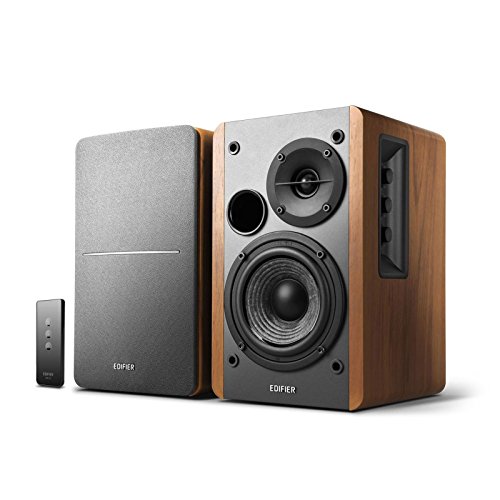 | Edifier R1280T Powered Bookshelf Speakers - 2.0 Active Near Field Studio Monitor Speaker - Wooden Enclosure - 42 Watts RMS Power | Key Feature: Powered near‑field monitor sound | Connectivity: Dual RCA inputs (two sources) | Material / Build: Wooden MDF enclosure for reduced resonance | Check Price on Amazon | Read Our Analysis | |
| Best for Budget Home Theater |  | Polk Audio T15 Home Theater and Stereo Bookshelf Speakers – Deep Bass Response, Dolby and DTS Surround, Wall-Mountable, Pair, Black | Key Feature: Affordable, cinema-friendly sound signature | Material / Build: MDF cabinets with polymer-composite woofers | Connectivity: Spring-clip speaker terminals (passive) | Check Price on Amazon | Read Our Analysis | |
| Best for TV and Turntables |  | Saiyin Bluetooth Bookshelf Speakers, 30W X 2 Powered TV Speakers with 3.5 Inch Woofer, Turntable Speakers with Optical/AUX/RCA Input for PC and TV | Key Feature: Affordable powered speakers with optical input | Connectivity: Bluetooth, Optical, AUX (3.5mm), RCA | Power Output: 30W x 2 | Check Price on Amazon | Read Our Analysis | |
| Best for Hi-Res Detail |  | Sony CS Speakers, SS-CS5M2 3-Way 3-Driver Hi-res Bookshelf Speakers (Pair), 2025 Model,Black | Key Feature: Three‑way, 3‑driver hi‑res bookshelf speakers | Connectivity: Wired binding‑post speaker terminals | Best For: Best for Hi‑Res Detail | Check Price on Amazon | Read Our Analysis | |
| Best for Dynamic, Punchy Sound | | Klipsch RP-600M Reference Premiere Bookshelf Speakers - Pair (Ebony) | Key Feature: Horn-loaded tweeter for dynamic, punchy delivery at mid-range price ($349) | Material / Build: Spun‑copper woofer, MDF cabinet, ebony finish | Best For: Best for Dynamic, Punchy Sound | Check Price on Amazon | Read Our Analysis | |
| Best for Wall-Mounted Systems | 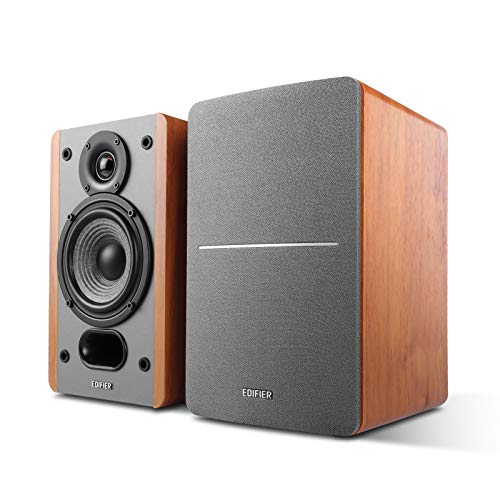 | Edifier P12 Passive Bookshelf Speaker - 2-Way Speakers with Built-in Wall-Mount Bracket - Wood Color, Pair - Needs Amplifier or Receiver to Operate | Key Feature: Passive 2-way bookshelf speakers | Material / Build: MDF cabinet with wood finish | Best For: Best for Wall-Mounted Systems | Check Price on Amazon | Read Our Analysis | |
| Best for Subwoofer-Ready TVs |  | Saiyin Bluetooth Bookshelf Speakers, 40W X 2 Powered TV Speakers with 4 Inch Woofer, Turntable Speakers with Optical/AUX Input/Subwoofer Line Out for PC and TVs | Key Feature: Subwoofer line-out + optical input for TVs | Connectivity: Bluetooth, Optical (TOSLINK), AUX (3.5mm) | Power Output: 40W x 2 (80W total) | Check Price on Amazon | Read Our Analysis | |
| Best for Compact, Powerful Sound | | Klipsch R-51M Bookshelf Speaker (Pair), Black | Key Feature: Horn-loaded 1" tweeter and 5.25" IMG woofer | Connectivity: Rear binding posts; passive speaker (needs amp) | Material / Build: MDF cabinet with brushed wood-like finish | Check Price on Amazon | Read Our Analysis |
More Details on Our Top Picks
-
Edifier R1280T Powered Bookshelf Speakers - 2.0 Active Near Field Studio Monitor Speaker - Wooden Enclosure - 42 Watts RMS Power
🏆 Best For: Best Affordable Studio Monitors
What earns the Edifier R1280T the "Best Affordable Studio Monitors" slot is its combination of honest, near‑field monitor presentation and real-world convenience at a wallet-friendly price. These active bookshelf speakers deliver a balanced midrange and clear dialogue reproduction thanks to their powered design (42 watts RMS total) and wooden enclosure, which tames resonance and gives music a natural warmth most budget speakers can’t match. For everyday listening — streaming, gaming, desktop work, and casual mixing — they punch well above their price point.
Inside you get a built‑in amplifier, convenient dual RCA inputs so you can keep two sources connected, and simple tone controls to nudge bass and treble. The result is immediate and usable: vocals sit cleanly in the mix, instruments are well separated across a modest soundstage, and the low end is tight for near‑field listening. The wooden cabinet helps the bass feel fuller than plastic alternatives, and the compact size makes placement forgiving on desks and small shelves.
Who should buy this? If you’re a beginner wanting accurate sound without gear headaches, a student setting up a desktop system, or someone upgrading TV or laptop speakers, these are ideal. They’re perfect for small to medium rooms and near‑field listening — sit a few feet away and you’ll hear detail that reveals vocal texture and rhythm. Vinyl lovers can use them too, provided your turntable has a built‑in phono stage or you add a small preamp.
Fair caveats: there’s no Bluetooth or digital (optical/USB) input, so wireless streaming or direct TV digital hookups require adapters. And while bass is tighter than many budget speakers, it won’t replace a subwoofer in larger rooms or for low‑end heavy genres like deep electronic or orchestral rumble. But for clarity, value, and everyday use, they’re hard to beat.
✅ Pros
- Clear midrange and vocal presentation
- Solid wooden cabinet improves warmth
- Dual RCA inputs for two sources
❌ Cons
- No Bluetooth or digital inputs
- Limited deep bass in large rooms
- Key Feature: Powered near‑field monitor sound
- Connectivity: Dual RCA inputs (two sources)
- Material / Build: Wooden MDF enclosure for reduced resonance
- Best For: Best Affordable Studio Monitors
- Size / Dimensions: Compact bookshelf footprint (approx. 7×9×10 in)
- Special Feature: Front tone controls (bass and treble)
-
Polk Audio T15 Home Theater and Stereo Bookshelf Speakers – Deep Bass Response, Dolby and DTS Surround, Wall-Mountable, Pair, Black
🏆 Best For: Best for Budget Home Theater
Polk’s T15 earns the "Best for Budget Home Theater" slot by doing the most important things well at a very modest price: punchy low-mid bass, clear center-image for dialogue, and a wide-enough soundstage to make movies feel immersive without demanding a separate hi-fi setup. For about $149 a pair you get a balanced, cinema-friendly signature—more warmth and authority than most bookshelf speakers in this price tier, which is why they’re a frequent go-to when you want big movie sound on a small budget.
Under the hood the T15 uses Polk’s polymer composite 5.25" woofers and a 0.75" tweeter tuned to favor intelligibility and impact. In real rooms that translates to movie dialogue that sits forward and effects that have punch without sounding honky. They’re wall-mountable, pair easily with any entry-level AV receiver (spring-clip terminals), and support Dolby/DTS surround through the usual receiver routing—so you can use them as fronts or surrounds in a 5.1 setup. Don’t expect wireless streaming or built-in amplifiers here; these are passive speakers meant to be driven by your receiver or amp.
Who should buy the T15? If you’re outfitting a small-to-medium living room, bedroom, or starter home theater and want honest, cinematic sound without sinking money into audiophile speakers, these are a smart choice. Beginners get immediate benefits—clear dialogue and satisfying low-end—while budget-conscious builders can use them as discrete surrounds or compact mains. Compared to ultra-cheap PC or Bluetooth speakers, the T15 is a clear step up; compared to mid-tier ($300–$600) bookshelf speakers, you’ll notice less detail and ultimate bass extension, but you’ll also save several hundred dollars.
Fair caveats: bass bottoms out sooner than a dedicated subwoofer can reach, so a sub is recommended for deep-action films or very large rooms. Also, the finish and tweeter detail aren’t as refined as higher-priced competitors, so if you crave micro-detail for critical music listening, consider stepping up in price. For everyday movie watching and TV though, the trade-offs are sensible and practical.
✅ Pros
- Strong low-mid punch for effects
- Clear, forward dialogue reproduction
- Wall-mountable and easy setup
❌ Cons
- Limited deep bass without subwoofer
- No wireless or powered connectivity
- Key Feature: Affordable, cinema-friendly sound signature
- Material / Build: MDF cabinets with polymer-composite woofers
- Connectivity: Spring-clip speaker terminals (passive)
- Best For: Best for Budget Home Theater
- Size / Dimensions: 7.87" W × 5.90" D × 9.84" H (per speaker)
- Special Feature: Wall-mountable; integrates with Dolby/DTS setups
-
Saiyin Bluetooth Bookshelf Speakers, 30W X 2 Powered TV Speakers with 3.5 Inch Woofer, Turntable Speakers with Optical/AUX/RCA Input for PC and TV
🏆 Best For: Best for TV and Turntables
What earns the Saiyin Bluetooth Bookshelf Speakers the "Best for TV and Turntables" slot is simple: they pack multiple, practical connection options—optical for clean TV audio, RCA/AUX for vinyl and legacy gear, plus Bluetooth for streaming—into an inexpensive, powered bookshelf package. At $69.99 you rarely get optical input and a pair of amplified speakers with 30W x 2 output, which makes them an excellent bridge between a smart TV and a basic turntable setup without needing a receiver or separate amp.
Key features translate into real-world benefits. The 3.5" woofers and 30W x 2 power give surprisingly punchy mid-bass and clear midrange that pushes dialogue forward on shows and movies. Optical reduces audio lag and improves lip-sync with TVs, while RCA lets you plug a turntable (or a turntable with a phono preamp) directly in. Bluetooth provides easy phone or laptop streaming for casual listening. The result is clean dialogue, a focused soundstage for small rooms, and plug-and-play convenience for vinyl hobbyists who don’t want a full stereo stack.
Buy these if you want an affordable, low-fuss desktop, bedroom, or small living-room setup that handles TV watching and casual vinyl listening. They’re ideal for dorms, apartments, secondary TVs, or beginners building a first record-player station. If you’re comparing price tiers: these beat nano-speaker TV soundbars for richness and beat passive bookshelf speakers for simplicity because you don’t need a separate amplifier.
Honest caveats: don’t expect deep sub-bass or wide audiophile soundstage—3.5" woofers are limited below ~60–80 Hz. Also check your turntable: passive turntables without a built-in phono preamp will need an external phono stage before using the RCA inputs. Build materials are budget-oriented, so treat them as functional rather than luxury components.
✅ Pros
- Optical input for low-latency TV audio
- RCA/AUX plus Bluetooth versatility
- Powered—no external amp required
❌ Cons
- Limited deep bass extension
- May need external phono preamp
- Key Feature: Affordable powered speakers with optical input
- Connectivity: Bluetooth, Optical, AUX (3.5mm), RCA
- Power Output: 30W x 2
- Material / Build: Sturdy budget plastic cabinet, cloth grille
- Size / Dimensions: Compact bookshelf footprint, shelf-friendly
- Special Feature: Turntable-friendly RCA inputs (use with phono preamp if needed)
- Best For: Best for TV and Turntables
-
Sony CS Speakers, SS-CS5M2 3-Way 3-Driver Hi-res Bookshelf Speakers (Pair), 2025 Model,Black
🏆 Best For: Best for Hi-Res Detail
The Sony SS‑CS5M2 earns the "Best for Hi‑Res Detail" nod because it’s a true three‑way bookshelf speaker tuned to reveal fine texture and air in recordings. With distinct drivers handling lows, mids and highs, it teases out microdetail — cymbal shimmer, reverb tails, and inner harmonics — that many two‑way designs smooth over. At its price point (around $278 a pair) it punches above its weight for listeners who care about clarity and imaging without diving into high‑end wallet territory.
In real rooms this translates to exceptional treble extension and precise instrument placement: vocals sit forward and intelligible, acoustic guitars have realistic string definition, and small ensemble recordings spread convincingly across the soundstage. The three‑driver layout gives cleaner separation between bass, midrange and treble, so dialogue in movies is very natural. Connectivity is straightforward—standard wired speaker terminals—so these pair well with compact integrated amps, hi‑res streamers with a DAC, or a modest AV receiver for a two‑channel or front‑left/right setup.
Who should buy the SS‑CS5M2? If you’re a music lover who prioritizes detail, imaging and natural vocal reproduction in a small to medium room, these are a great match. They shine on desks, bookshelves, and dedicated listening stands and are ideal for jazz, acoustic, classical, singer‑songwriter records, and critical listening sessions. They also make a nice upgrade for midrange home theater use when combined with a subwoofer for low‑end support.
Fair caveats: they won’t replace a subwoofer for deep, room‑shaking bass in a large living room, and they’re a wired passive speaker so you’ll need an external amplifier. Placement and decent stands or isolation pads matter — these speakers are revealing enough that room and electronics choices become obvious. If you want wireless convenience or built‑in amplification, look elsewhere, but for pure hi‑res detail per dollar, these are hard to beat.
✅ Pros
- Exceptional high‑frequency micro‑detail
- Three‑way drivers for precise imaging
- Clear midrange and dialogue reproduction
❌ Cons
- Limited deep bass extension
- No wireless or built‑in amplification
- Key Feature: Three‑way, 3‑driver hi‑res bookshelf speakers
- Connectivity: Wired binding‑post speaker terminals
- Best For: Best for Hi‑Res Detail
- Size / Dimensions: Compact bookshelf footprint, shelf or stand friendly
- Material / Build: Solid cabinet construction, discreet black finish
- Price: Around $278 per pair
-
Klipsch RP-600M Reference Premiere Bookshelf Speakers - Pair (Ebony)
🏆 Best For: Best for Dynamic, Punchy Sound
The Klipsch RP-600M earns the "Best for Dynamic, Punchy Sound" badge because it pairs a horn-loaded tweeter with a stiff, spun‑copper woofer and unusually high sensitivity — a recipe that gives tracks and movie effects real snap. What you hear is upfront, energetic delivery: drums and guitars hit with authority, on-screen impacts feel immediate, and vocals sit forward and articulate. For listeners who want excitement from bookshelf speakers without adding a huge amp or subwoofer right away, these speakers deliver that visceral "snap" most cheaper boxes can't match.
Under the hood the RP-600M uses Klipsch’s hybrid Tractrix horn for the 1" tweeter and a 6.5" Cerametallic woofer in a solid MDF cabinet with an ebony finish. The practical benefit is loud, clear performance from modest power — easy to drive with small receivers or integrated amps — and excellent dialogue clarity for TV and movies. Placement really opens the soundstage: toe them in a bit and you’ll get precise imaging and surprising layered detail. Connectivity is classic speaker‑level binding posts (bi‑wire capable), so this is a straightforward passive bookshelf pair, not a wireless all‑in‑one system.
Who should buy these? Get the RP‑600M if you favor rock, pop, gaming, or movie soundtracks and want lively, present midrange and punchy bass from compact cabinets. They’re ideal for small-to-medium rooms as main left/right speakers or as front channels in a home theater. If you’re on a mid-range budget (around $349 per pair), you’re getting performance that punches above that price, trading the last inch of extension or the smoothest treble for excitement and impact.
Honest caveats: they won’t replace a subwoofer if you crave deep, room‑shaking bass — pair one if you want true low‑end extension. Also, the horn character can be a touch forward for listeners who prefer ultra‑warm, laid‑back voicing, and they require a little attention to placement and quality amplification to show their best side.
✅ Pros
- Explosive, punchy midrange and transient detail
- Plays loud easily with modest power
- Clear dialogue and wide soundstage
❌ Cons
- Bass lacks deep extension without a sub
- Trebly/forward for sensitive listeners
- Key Feature: Horn-loaded tweeter for dynamic, punchy delivery at mid-range price ($349)
- Material / Build: Spun‑copper woofer, MDF cabinet, ebony finish
- Best For: Best for Dynamic, Punchy Sound
- Size / Dimensions: Compact bookshelf footprint, great for small-to-medium rooms
- Connectivity / Power: 5-way binding posts, bi-amp capable, easy to drive
- Special Feature: Hybrid Tractrix horn tweeter for controlled dispersion
-
Edifier P12 Passive Bookshelf Speaker - 2-Way Speakers with Built-in Wall-Mount Bracket - Wood Color, Pair - Needs Amplifier or Receiver to Operate
🏆 Best For: Best for Wall-Mounted Systems
What earns the Edifier P12 the "Best for Wall-Mounted Systems" slot is simple: a compact, two-way bookshelf design with a built-in wall-mount bracket that makes installation clean and painless, plus a tonal balance that keeps dialogue and midrange detail front-and-center. At about $110, these passive speakers give you a no-frills path to a tidy, wall-mounted left/center/right or surround setup without awkward shelves or extra brackets. For smaller living rooms and tight spaces, that combination — purposeful mounting hardware and musical clarity — is exactly the practical win most people need.
Under the hood the P12 is a classic 2-way passive bookshelf: a dedicated mid/woofer and a tweeter in an MDF cabinet finished in a warm wood color. In real-world listening that translates to forward mids and clear dialogue — great for movies and podcasts — with a reasonably wide soundstage for their size. Bass is present for casual listening but not thunderous; adding a compact powered subwoofer turns these into a full-fledged home theater pair. Connectivity is straightforward: they’re passive, so you’ll pair them with any amplifier or AV receiver that can drive standard bookshelf speakers.
If you’re furnishing a small-to-medium room and want clean-looking wall-mounted fronts or surrounds without spending on custom brackets, buy these. They’re ideal for people upgrading from TV speakers, building a budget home theater, or adding compact speakers to a kitchen, office, or bedroom where floor space is at a premium. Beginners should know: you’ll need an amp or receiver, but that gives you flexibility to grow — swap in a better amp later and the speakers keep improving.
Honest caveats: these aren’t powered monitors, so they lack built-in amplification or Bluetooth — that’s by design. Bass depth and low-frequency extension are modest compared with larger floorstanders, so plan for a sub if you want movie-impact lows. Also, while the mounting bracket is convenient, wall placement and room acoustics will strongly affect perceived bass and imaging — expect to experiment with height and toe-in.
✅ Pros
- Built-in wall-mount bracket included
- Natural wood finish fits decor
- Detailed mids; clear dialogue reproduction
❌ Cons
- Requires external amplifier or receiver
- Limited low-end compared to larger speakers
- Key Feature: Passive 2-way bookshelf speakers
- Material / Build: MDF cabinet with wood finish
- Best For: Best for Wall-Mounted Systems
- Size / Dimensions: Compact, bookshelf- and wall-friendly footprint
- Connectivity: Speaker wire to amplifier or AV receiver
- Power Requirement: Needs compatible amp/receiver to operate
-
Saiyin Bluetooth Bookshelf Speakers, 40W X 2 Powered TV Speakers with 4 Inch Woofer, Turntable Speakers with Optical/AUX Input/Subwoofer Line Out for PC and TVs
🏆 Best For: Best for Subwoofer-Ready TVs
What earns the Saiyin Bluetooth Bookshelf Speakers the "Best for Subwoofer-Ready TVs" slot is their dedicated subwoofer line-out paired with a TV-friendly optical input — a rare combo under $100. At $71.99 these powered speakers give TV owners a straightforward upgrade path: plug them into your TV via optical for crisp dialogue and low latency, then add any powered subwoofer later to get real movie bass without buying a whole soundbar or receiver.
Under the hood you get 40W x 2 (80W total) of powered amplification driving 4" woofers, Bluetooth for simple streaming, and standard AUX/optical connections for legacy gear and TVs. In real rooms that translates to a clear midrange and very intelligible dialogue — exactly what most TVs need — plus enough volume for small-to-medium living rooms. The subwoofer output is the real practical benefit: the speakers handle mids and highs well while the sub adds depth and slam when you want it.
Buy these if you want a budget, no-fuss upgrade for a bedroom, dorm, or small living room TV and plan to add a subwoofer later. They're also a good fit as compact powered speakers for a turntable (note: many turntables need a phono preamp) or for a PC setup that benefits from a bigger soundstage than laptop speakers provide. If you value tight dialogue and simple setup over thunderous built-in bass, these hit the sweet spot.
On the flip side, don't expect deep low-end without pairing a powered subwoofer — the 4" drivers simply can't reproduce true sub-bass. Build materials are budget-minded plastic, and imaging / soundstage won't match higher-tier bookshelf speakers, but for what they are — an affordable, TV-first solution with subwoofer-ready flexibility — they deliver honest value.
✅ Pros
- Dedicated subwoofer line-out
- Optical, AUX, Bluetooth inputs
- Good dialogue clarity for TVs
❌ Cons
- Thin bass without a subwoofer
- Basic plastic cabinet and finish
- Key Feature: Subwoofer line-out + optical input for TVs
- Connectivity: Bluetooth, Optical (TOSLINK), AUX (3.5mm)
- Power Output: 40W x 2 (80W total)
- Best For: Best for Subwoofer-Ready TVs
- Size / Dimensions: Compact bookshelf footprint, fits most shelves
- Special Feature: Turntable-compatible (may require phono preamp)
-
Klipsch R-51M Bookshelf Speaker (Pair), Black
🏆 Best For: Best for Compact, Powerful Sound
The Klipsch R-51M earns the "Best for Compact, Powerful Sound" spot by doing exactly what a small bookshelf speaker should: it disappears into the room while delivering startlingly loud, detailed, and dynamic sound. Thanks to Klipsch’s horn-loaded 1" tweeter and a copper-spun 5.25" woofer, this pair punches well above its size — vocals sit forward and clear, cymbals and string detail sparkle, and transient impact gives music and movie effects a very alive quality. For apartments, desktops, and tight living rooms, that compact footprint plus impressive efficiency is a rare and useful combo.
Under the hood you get the elements that create both the sound and the practical benefit: a hybrid Tractrix-style horn for crisp, directional treble; a spun IMG woofer that keeps midbass taut; and a rear-firing port that helps extend low end for a small speaker. The high sensitivity means you don’t need a powerhouse amp to get room-filling volume — a modest integrated amp or AV receiver will drive these cleanly. In real rooms they image better than you’d expect, producing a focused soundstage for vocals and small ensembles, and they handle movie dialogue with directness and presence.
Buy the R-51M if you want a compact speaker that sounds energetic and engaging without stepping up to large floorstanders. They’re ideal for nearfield listening at a desk, a secondary stereo in a bedroom or office, or as left/right mains in a small living room paired with a subwoofer for full-range sound. If you’re building a starter hi-fi or a small home theater and want immediate excitement from your speakers, these are an excellent practical choice that won’t require serious amplification.
Honest caveats: they are passive speakers, so you’ll need an amplifier or receiver to use them, and the bass — while punchy for the size — won’t replace a dedicated subwoofer for deep, room-rattling lows. Also, Klipsch’s energetic treble presentation can sound bright on very forward mixes; if you prefer a warm, laid-back top end, try a listen first or plan to pair with tone-friendly electronics.
✅ Pros
- High sensitivity, loud with modest amps
- Punchy treble and clear, forward vocals
- Compact footprint, strong dynamics
❌ Cons
- Needs external amplifier/receiver
- Limited deep bass without subwoofer
- Key Feature: Horn-loaded 1" tweeter and 5.25" IMG woofer
- Connectivity: Rear binding posts; passive speaker (needs amp)
- Material / Build: MDF cabinet with brushed wood-like finish
- Size / Dimensions: Compact bookshelf footprint — approx 9.5"×6.5"×8.5"
- Power / Amp Recommendation: Best with 20–100W per channel
- Best For: Best for Compact, Powerful Sound
Factors to Consider
Frequently Asked Questions
Do I need an amplifier for bookshelf speakers?
It depends: passive bookshelf speakers require a stereo amplifier or AV receiver to power them, while powered (active) bookshelf speakers have built‑in amplification and can connect directly to sources. If you want a simple setup with Bluetooth or direct TV connection, powered speakers are the easiest route.
Are bookshelf speakers good for movies and TV?
Yes — bookshelf speakers can deliver clear dialogue and precise imaging, which benefits movies and TV. For full cinematic bass impact, add a subwoofer because bookshelf drivers typically produce less deep bass than tower speakers.
What's the best powered bookshelf speaker you can buy?
As of October 2025, the Victrola Tempo VPS-400 is a top pick in powered speakers, offering convenience and solid sound quality in a compact package. Powered models are great if you want fewer boxes and easier connectivity for streaming or TV use.
How much should I expect to spend?
Bookshelf speakers can range widely — from under $50 for basic models to around $600 per pair for audiophile standmounts (Wirecutter). Set a realistic budget: decent everyday listening can be had in the $100–$400 range, while higher budgets get finer detail, build quality, and longevity.
Will adding a subwoofer make a big difference?
Yes. Adding a subwoofer enhances bass depth and impact, which bookshelf speakers often lack compared with towers, and it frees the bookshelf drivers to excel at mids and highs. If you want deep movie bass or bass-heavy music, pairing your speakers with a subwoofer is one of the most effective upgrades.
Are passive speakers worth it for beginners?
Absolutely — passive speakers are a great long‑term choice because they're repairable and can last for decades, making them a sustainable option. You'll need an amp or AV receiver, but that extra component also gives upgrade paths for better sound over time.
How should I place bookshelf speakers for the best sound?
Place them on stands or shelves at ear level when seated, and aim them slightly toward the listening position to improve imaging and dialogue clarity. Avoid cramming them into corners (it boosts boomy bass) and leave some space behind them — small placement changes can yield big improvements.
Conclusion
Bookshelf speakers are a sweet spot for everyday listening: compact, detailed, and flexible for small to medium rooms. For a plug‑and‑play powered option, consider the Victrola Tempo VPS-400, while budget and audiophile passive options offer longevity and upgrade paths if you prefer a receiver-based system.